

Healthcare Conditioning Is Failing Us: Why Ownership Is the Missing Prescription
A Shift Is Happening in Healthcare — And Patients Feel It
For decades, modern healthcare has centered on a reactive model: identify symptoms, prescribe treatment, manage progression. While this system has advanced medicine in remarkable ways, it has also shaped how patients and providers view health itself.
Many individuals have been conditioned to believe that pills and procedures are the primary path to wellness. Patients often feel dependent on interventions rather than empowered by daily choices, while providers face growing pressure to deliver quick solutions within limited appointment times.
The result is a system that excels at acute care, but often struggles with chronic disease, burnout, and long-term prevention.
Today, functional and metabolic medicine are reframing the conversation: what if the missing prescription isn’t another medication, but ownership?
The Conditioning Behind Modern Health Culture
Healthcare conditioning develops over decades — through training models, time constraints, and cultural messaging that prioritize symptom relief over foundational health.
This has created two major challenges:
Patients may begin to see themselves as victims of disease rather than active participants in healing.
Providers may feel pressured to prescribe rather than educate, despite knowing lifestyle factors drive many outcomes.
Research from global health organizations suggests only a small percentage of conditions are purely genetic, while lifestyle, environment, and metabolic inputs influence the majority of long-term outcomes.
This doesn’t diminish medicine, it expands its potential.
For Providers: Leadership Begins With Self-Regulation
Healthcare professionals are among the most overextended individuals in modern society. Long shifts, poor sleep, skipped meals, and chronic stress are common — yet providers are expected to guide others toward health.
You cannot sustainably pour from an empty cup.
Prioritizing metabolic health, recovery, and nervous system regulation is not indulgent — it is leadership. Patients are more likely to embrace change when they see providers modeling sustainable habits, balanced lifestyles, and resilience in real time.
Functional medicine encourages clinicians to move beyond reactive care and toward education, prevention, and metabolic restoration.
For Patients: Ownership Changes Outcomes
One of the most common misconceptions in health culture is that meaningful change must begin with a prescription.
Global data from the WHO indicates that up to 80% of cardiovascular disease, stroke, and type 2 diabetes, along with a significant percentage of cancers, are influenced by lifestyle factors.
Foundational practices consistently show the greatest impact:
• Strength training and daily movement
• Nutrient-dense nutrition
• Restorative sleep cycles
• Stress regulation and nervous system support
• Sunlight exposure and time outdoors
• Meaningful connection
Ownership is not about blame. It is about reclaiming influence over the variables we can control.
Restoring the Raw Materials for Change

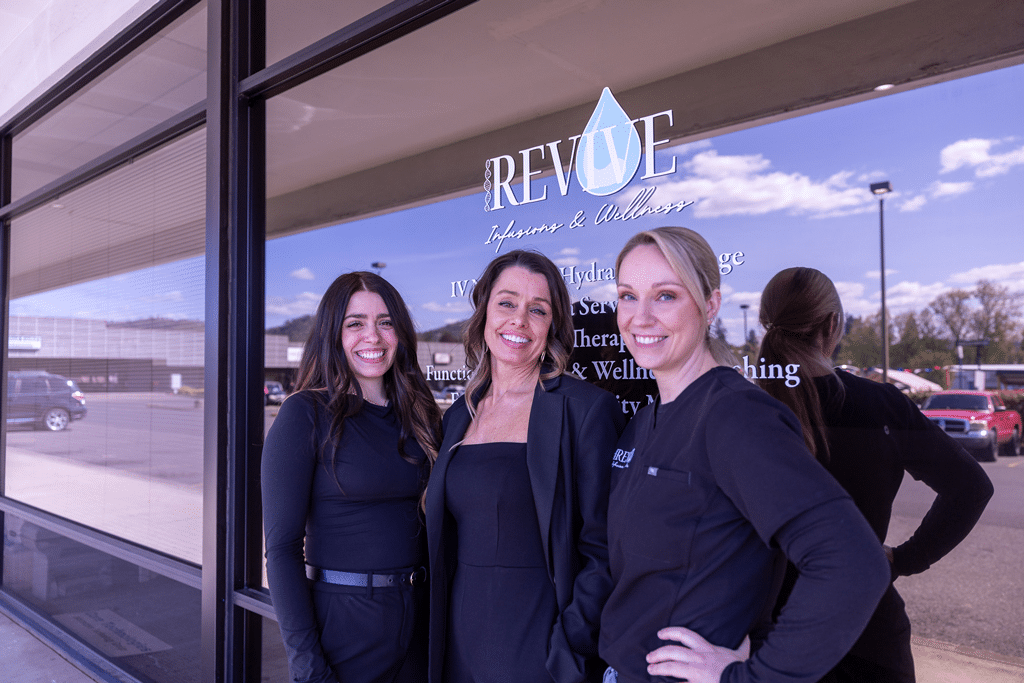
At Revive Infusions & Wellness, the goal is not to replace traditional medicine — it is to expand what healthcare can look like when metabolic restoration and lifestyle foundations work together.
Many individuals struggle to implement lifestyle changes because they are operating from depletion: nutrient deficiencies, hormonal imbalances, chronic inflammation, or nervous system dysregulation.
Through IV nutrient therapy, peptide protocols, and functional medicine consults, Revive focuses on restoring the “raw materials” the body needs to move toward homeostasis. When physiological stress decreases and energy improves, sustainable habits become achievable.
Because when you feel better, you do better.
A New Model of Healthcare Partnership
The future of medicine will not be defined by choosing between conventional care and lifestyle medicine. It will be shaped by collaboration — where providers educate, patients engage, and care plans address both symptoms and root causes.
Ownership is not a rejection of medicine. It is an evolution of it.

From the Founder’s Perspective

As healthcare continues to evolve, one truth becomes increasingly clear: patients don’t just need access to treatment, they need a framework that restores agency.
“At Revive, our goal has never been to replace traditional medicine,” says Chenelle McCaskill, PA-C, Founder of Revive Infusions & Wellness. “It’s to expand what care can look like when lifestyle foundations and clinical support work together. Ownership isn’t about perfection. It’s about education, accountability, and helping people rebuild trust in their bodies.”
This philosophy reflects a growing shift across functional and metabolic medicine — moving away from dependency and toward partnership between provider and patient.